
Introduction
In recent aviation news, Delta Flight DL636 experienced an unexpected diversion, leaving passengers, aviation enthusiasts, and travel professionals curious about the situation. Whether you were directly affected or are simply seeking to understand what happened, this article will explain the reasons behind the diversion, its impact on passengers and the airline, and what you need to know going forward.
What Happened with Delta Flight DL636?
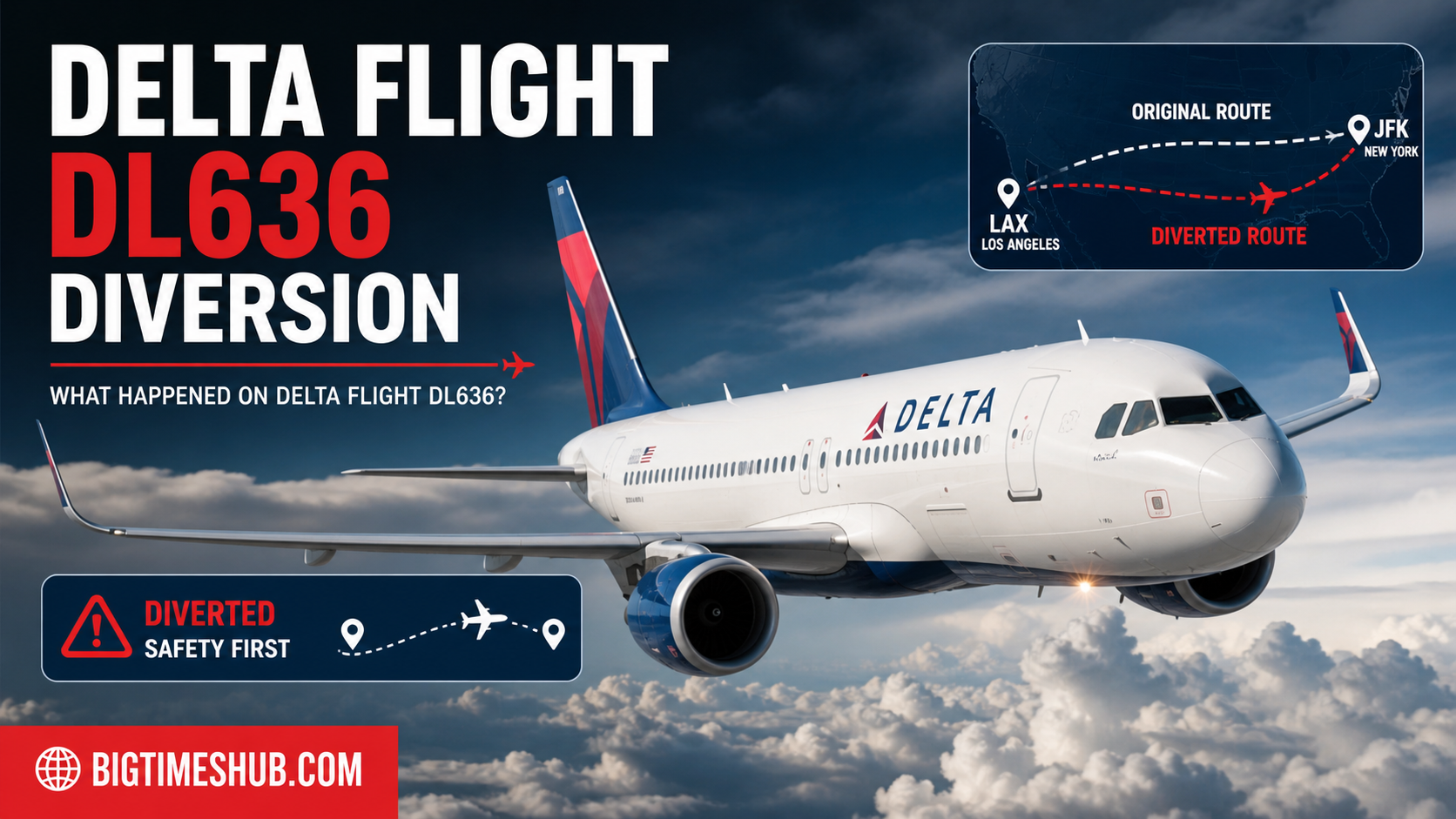
Delta Flight DL636, a regularly scheduled route from Atlanta to Los Angeles, made headlines after it was diverted mid-flight. The aircraft, a Boeing 757, was en route to its final destination when the pilot made the decision to divert to an alternate airport. While diversions are not uncommon in aviation, this particular event raised questions about its cause and the processes involved.
Reasons for Diversions in Aviation: Understanding the Key Factors
A diversion can occur for a variety of reasons. The most common ones include:
- Weather Conditions: Severe weather such as thunderstorms, turbulence, or fog can make it unsafe to continue to the original destination.
- Mechanical Issues: Aircraft are complex machines, and mechanical failures, although rare, can necessitate an unscheduled landing.
- Medical Emergencies: Sometimes, a passenger or crew member may require urgent medical attention, prompting a diversion to the nearest suitable airport.
- Air Traffic Control (ATC) Directives: In some cases, air traffic control may direct a plane to land at an alternate airport for safety or logistical reasons.
In the case of Delta Flight DL636, the airline issued a statement that the diversion was due to “severe weather conditions” in the Los Angeles area, which made it unsafe to land at the original destination. However, details about the specific weather conditions are still not fully disclosed.
How Diversions Affect Flight Operations
Diversions can have a ripple effect on the operation of airlines. They often lead to delays, missed connections, and rerouting of passengers. Here are some potential impacts:
- Delayed Arrival Times: Passengers will arrive at their alternate airport, which could be hours away from the original destination.
- Passenger Experience: While airlines strive to ensure passenger comfort during diversions, unplanned landings can be stressful and inconvenient.
- Cost Implications: Airlines may incur extra costs for fuel, airport fees, and rebooking passengers on new flights.
For Delta Airlines, the diversion of DL636 led to significant delays in their schedule for the day, with affected passengers having to be rebooked on alternate flights.
What Happened to the Passengers of DL636?
After the diversion, Delta Airlines provided necessary accommodations and assistance to the passengers of Flight DL636. According to reports, passengers were given the option to disembark at the diversion airport and were offered rebooking options on the next available flight to Los Angeles. Those who chose to stay on the plane were given refreshments and kept updated on the situation by the flight crew.
Impact of the Delta Flight DL636 Diversion on the Airline’s Reputation
While diversions are a common part of air travel, high-profile events like the one involving Delta Flight DL636 can affect an airline’s public image. Passengers may feel frustrated by the inconvenience, and negative media coverage can sometimes exaggerate the consequences of the diversion. However, Delta Airlines is known for its strong customer service, and it is likely that the airline took immediate action to address concerns.
For Delta, ensuring the safety and well-being of its passengers is always the top priority. The company’s swift handling of the situation and transparency in communicating with passengers helped minimize any potential reputational damage.
What You Need to Know About Delta’s Emergency Protocols During Diversions
Airlines like Delta have established emergency protocols in place for situations like diversions. These include:
- Passenger Safety: The primary focus is always to ensure that passengers remain safe and comfortable throughout the diversion process.
- Communication: Passengers are kept informed about the situation, including any updates on landing times, airport changes, and rebooking.
- Logistical Support: Once the plane lands at an alternate airport, the airline coordinates ground transportation, hotel accommodations, and rebooking options as needed.
Delta’s well-structured emergency protocols reflect the airline’s commitment to its passengers during unexpected situations like diversions.
Legal and Compensation Implications for Passengers
Passengers whose flights are diverted may be entitled to compensation, especially if the diversion leads to extended delays or overnight stays. Delta Airlines, like many other airlines, has a clear compensation policy for such instances. This typically includes:
- Meal Vouchers: For passengers experiencing delays of several hours.
- Hotel Accommodation: For overnight stays caused by the diversion.
- Rebooking on Alternate Flights: Passengers will often be rebooked on the next available flight to their destination.
It’s advisable for passengers affected by diversions to check the airline’s policies to ensure they are receiving the appropriate compensation.
Delta Airlines’ Commitment to Safety and Customer Service
Delta Airlines has long been regarded as a leader in customer service and safety standards. In the case of Flight DL636, the airline acted swiftly and with transparency to address the situation. Ensuring the safety of passengers is Delta’s highest priority, and they have a strong track record in managing in-flight incidents, diversions, and delays.
Lessons Learned from the Delta Flight DL636 Diversion
While the diversion of Delta Flight DL636 was inconvenient for passengers, it also provided valuable lessons for the airline industry:
- Preparedness is Key: Diversions, while rare, are part of flight operations, and airlines must be well-prepared to handle them effectively.
- Customer Communication: Ensuring that passengers are kept informed during such situations can significantly reduce stress and frustration.
- Safety First: The priority should always be the safety of passengers, even if it leads to significant disruptions.
Conclusion: The Future of Delta Flight DL636 and Other Air Travel Diversions
While the diversion of Delta Flight DL636 was an unfortunate event, it highlighted the complexities of modern air travel and the challenges airlines face in ensuring the safety of passengers. For Delta, the event served as a reminder of the unpredictability of air travel and the importance of maintaining strong operational procedures for handling diversions and delays.
In the future, travelers can expect airlines like Delta to continue focusing on safety, customer service, and transparency, ensuring that incidents like diversions are managed with minimal impact.